Acne Facial — Types, What to Expect, and Clear-Skin Aftercare
Acne facial are structured treatments designed to clear congestion, rebalance oil, and calm irritation so skin looks clearer and feels more comfortable with each session. Because acne has multiple causes—excess oil, clogged pores, bacteria, and inflammation—the most effective plans customize exfoliation, extractions, and soothing care to the type of breakouts and skin sensitivity.
Types of acne facials
-
Clarifying/decongesting facial: Focuses on thorough cleansing, gentle chemical or enzyme exfoliation, steam, and precise extractions to remove blackheads and whiteheads. This reduces the look of enlarged pores, smooths texture, and helps prevent new clogs when performed consistently.
-
Salicylic/AHA blend facial: Uses oil-soluble BHA (salicylic acid) to penetrate into pores and dissolve sebum plugs, supported by AHAs (like lactic or glycolic) to refine the surface. Ideal for combination or oily skin with frequent congestion.
-
Calming acne facial: Prioritizes barrier repair and redness reduction with anti-inflammatory masks, hydrating serums, and light extractions only where safe. Best for reactive or sensitized skin that flares easily.
-
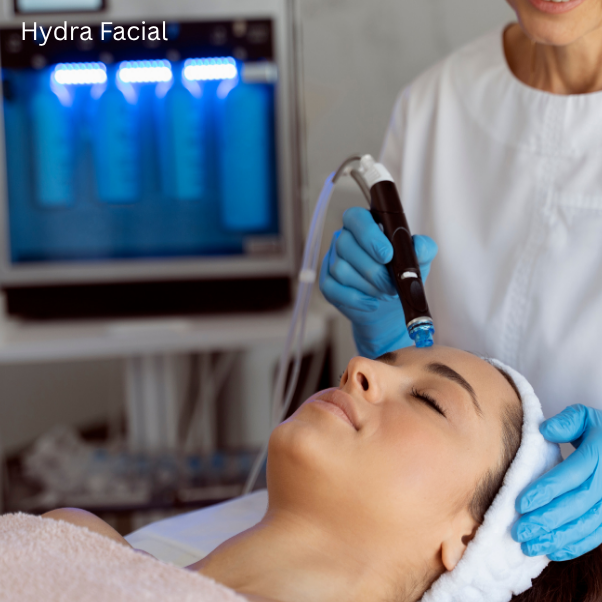
Microdermabrasion-assisted acne facial: Gentle mechanical exfoliation helps smooth post-acne texture and allows serums to penetrate better. Typically reserved for non-inflamed congestion or for addressing uneven tone and shallow marks.
-
LED blue/red light add-on: Blue targets acne-causing bacteria on the surface; red supports calming and recovery. As an adjunct, it can reduce the frequency and intensity of breakouts when used in a series.
-
Teen acne facial: Education-focused version with mild exfoliation, minimal extractions, and personalized home-care guidance to build healthy habits early.
Who benefits most
-
Best candidates: Mild to moderate comedonal acne (blackheads/whiteheads), recurring congestion, uneven texture, and oil imbalance. With a series of visits and simple daily care, results compound over time.
-
When to co-manage: Cystic or nodular acne often needs medical support (topicals or oral meds). Facials can still help by improving comfort, reducing surface buildup, and supporting the skin barrier while medical treatment addresses deeper inflammation.
What to expect in a session
-
Consultation and skin assessment: Breakout types (whiteheads, blackheads, papules, pustules) and skin sensitivity guide the protocol and product strength.
-
Cleanse and prep: A thorough cleanse removes surface oil and residue so actives work efficiently.
-
Exfoliation and steam: Enzymes or acids loosen dead cells and soften debris; brief steam can make extractions more comfortable for suitable skin types.
-
Targeted extractions: Performed with sterile technique to minimize trauma and reduce risk of post-inflammatory marks; only lesions safe to extract are addressed.
-
Calm and replenish: Soothing masks, hydrating serums (like panthenol, hyaluronic acid), and a light moisturizer restore balance.
-
Protect: Broad-spectrum SPF completes daytime visits to defend the freshly treated skin from UV.
Results timeline and frequency
-
Immediate: Smoother feel, fewer visible blackheads, and a cleaner look in congestion-prone areas. Some redness is normal and usually subsides quickly.
-
Short term (2–4 weeks): With consistent home care, pores re-clog less quickly, shine is easier to manage, and post-blemish redness gradually looks calmer.
-
Series-based gains: Sessions every 4–6 weeks help maintain clear pores and steady improvements; add-ons like LED or targeted peels can be scheduled strategically for stubborn areas.
At-home routine to support results
-
Keep it simple and consistent: A gentle cleanser, non-comedogenic moisturizer, and daily broad-spectrum SPF create the foundation for calm, resilient skin.
-
Smart actives: Consider one leave-on BHA for pore care and one retinoid at night for cell turnover; space usage to avoid irritation, starting low and slow.
-
Hands off: Avoid picking—self-extractions push bacteria deeper, delay healing, and increase risk of marks.
-
Hygiene habits: Launder pillowcases frequently, clean phone screens, and tie back hair during sleep and workouts to reduce pore contact with oils and sweat.
Aftercare: first 48–72 hours
-
Be gentle: Skip intense workouts, saunas, or very hot showers right after a facial to avoid flushing and rebound redness.
-
Pause strong products: Hold retinoids, scrubs, and high-strength acids for 48–72 hours to let skin settle; resume gradually as advised.
-
Hydrate and protect: Use calming, fragrance-minimal moisturizers and daily SPF. Sun exposure can worsen post-inflammatory hyperpigmentation, so protection is key.
-
Makeup strategy: If needed, use non-comedogenic, light coverage and remove it thoroughly at night to keep pores clear.
Choosing the right facial for acne type
-
Mostly blackheads/whiteheads: Clarifying or BHA-forward facials with methodical extractions.
-
Red, inflamed breakouts: Calming protocols with minimal extractions, barrier support, and potential LED add-ons.
-
Texture and old marks: Gentle resurfacing options like enzyme peels or microdermabrasion, spaced appropriately and only when skin is calm.
-
Sensitive or reactive skin: Conservative acid strengths, short contact times, and soothing masks to improve tolerance while maintaining progress.
Common FAQs
-
Will one facial clear everything? One treatment jumpstarts clarity, but acne management is a series plus daily habits; expect best results over multiple sessions.
-
Can extractions cause marks? Proper, conservative technique reduces risk. Picking at home is the bigger culprit; professional guidance is critical.
-
Are facials safe for sensitive skin? Yes, when customized. Communicate reactions and keep aftercare gentle. Patch tests and measured progress keep skin comfortable.
-
What about medication use? If using topical prescriptions or oral treatments, let the provider know so the protocol is adjusted to avoid over-exfoliation or irritation.
Myths vs reality
-
Myth: “A strong peel is always better.” Reality: Over-aggressive treatments can inflame skin and worsen breakouts; steady, tailored care works best.
-
Myth: “Oily skin doesn’t need moisturizer.” Reality: Dehydrated skin can overproduce oil; lightweight, non-comedogenic hydration improves balance.
-
Myth: “Scrubbing hard clears acne faster.” Reality: Harsh friction damages the barrier and can trigger more inflammation; choose gentle chemical exfoliation instead.
The bottom line
Acne facials are most effective as part of a consistent plan: customized in-clinic treatments every 4–6 weeks plus a simple, disciplined home routine focused on gentle cleansing, smart actives, hydration, and daily SPF. With time and consistency, congestion reduces, texture refines, and skin stays calmer—so clear-skin results are not just visible after a facial, but more maintainable day to day.