Salon Nail Hygiene
Salon Nail Hygiene – What Clients Should Know Before Their Next Mani-Pedi
Hygiene is the foundation of a safe and beautiful manicure or pedicure because it protects natural nails and surrounding skin from infections and irritation during and after services. Consequently, choosing a salon that follows clear sanitation, disinfection, and sterilization protocols is essential for both comfort and long-term nail health.
Why nail hygiene matters
-
Hands and feet are exposed to bacteria and fungi daily, so even tiny nicks can become entry points if tools, bowls, or tubs are not properly cleaned and disinfected between clients. Therefore, consistent protocols and correct disinfectant contact times significantly reduce risk.
-
Beyond avoiding infections, strong hygiene standards preserve the nail plate and cuticles, helping polish last longer and minimizing post-service sensitivity or redness.
What to look for in a hygienic salon
-
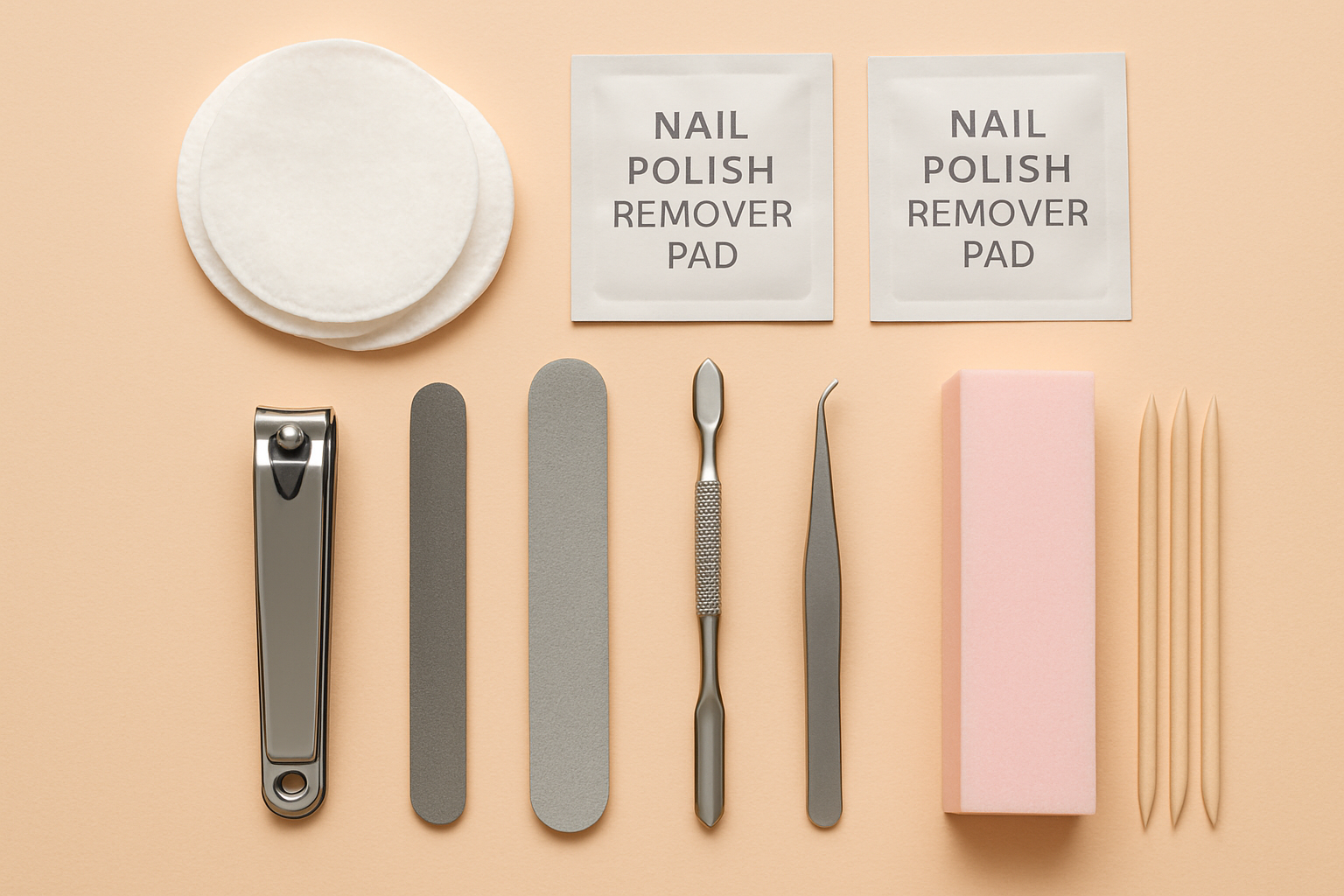
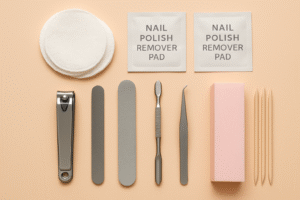
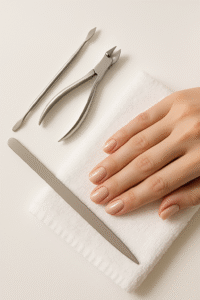
Sealed, sanitized tools: Reusable metal implements should be cleaned of debris and disinfected, then presented in sealed pouches or clean containers before use; dropped tools should be re-sanitized on the spot.
-
Disposable items per client: Single-use buffers, files, wooden sticks, toe separators, and gloves should be new for each service and discarded after to reduce cross-contamination.
-
Proper soak hygiene: Pedicure tubs should use disposable liners or follow a documented, timed cleaning cycle between clients so each bath starts clean and safe.
-
Hand hygiene and gloves: Technicians should wash or sanitize hands before and after each client, wear fresh gloves during cuticle work, and cover any cuts with waterproof dressings.
-
Clean workstations: Tables, lamps, armrests, and footrests should be wiped with appropriate surface disinfectant between clients, with no residual nail dust or clippings visible.
-
Fresh linens: Towels should be changed for every client, with used linens stored separately and laundered correctly to prevent cross-contact.
-
Good ventilation: Adequate airflow or local extraction reduces exposure to vapors from removers and gels, improving comfort and safety during services.
-
Transparent protocols: Professionals should be able to explain how tools are disinfected, how long items soak, and how tubs are sanitized between clients when asked.
Client checklist for safer mani-pedis
-
Postpone with open cuts: Avoid services if there are fresh nicks, abrasions, or rashes; shaving legs should be avoided at least 24 hours before a pedicure to limit irritation and infection risk.
-
Ask to see sanitation steps: It’s reasonable to request that sealed pouches be opened in front of the client or to ask which disinfectant is used and for how long.
-
Consider personal disposables: Bringing personal files or buffers can add a layer of comfort if salon protocols are unfamiliar.
-
Spot red flags: Reused disposables, murky footbaths, dusty surfaces, or overflowing trash are signs to reschedule and find a safer environment.
Aftercare tips for healthy nails
-
Be gentle for 24–48 hours: Skip very hot water and harsh cleansers immediately after services to keep cuticles calm and the skin barrier intact.
-
Moisturize daily: Use cuticle oil and a nourishing hand or foot cream to support the natural barrier and reduce hangnails or peeling.
-
Practice clean habits: Wash hands regularly, use a soft brush to clean under nails, and trim and file routinely to prevent snags and breaks.
-
Protect polish longevity: Wear household gloves when using detergents or doing chores to extend the life of manicures.
-
Watch for warning signs: Persistent redness, swelling, tenderness, or unusual discoloration after a service should be evaluated promptly to prevent complications.
-
Classic vs. gel: Gel manicures require proper prep and gentle, timed soak-off removal; avoid forceful scraping that can thin or damage the nail plate.
-
Callus care: Pedicures should soften and reduce calluses gradually; aggressive cutting can injure skin and increase infection risk.
-
Frequency and breaks: Regular manicures and pedicures are generally safe when combined with strong hygiene and smart aftercare; occasional breaks from gels can help nails rebalance.
Why hygiene-first salons deliver better results
-
Meticulous sanitation reduces irritation and infections, leading to smoother cuticles, better polish adhesion, and more comfortable services over time. Moreover, transparent, visible protocols build trust and allow clients to fully relax and enjoy the experience.