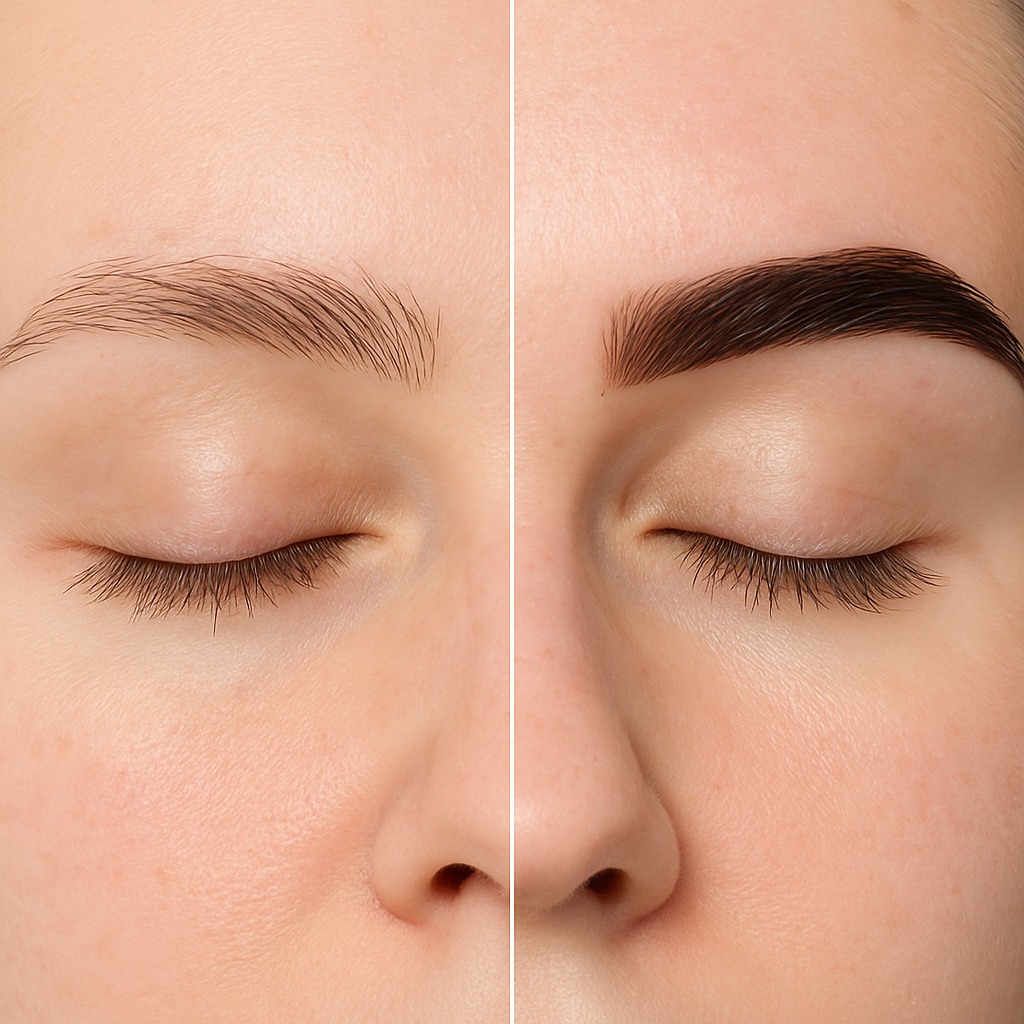
Microblading vs Microshading — Which Brow Technique Is Right for You?
Microblading vs Microshading — Which Brow Technique Is Right for You?
Full, well-shaped eyebrows frame the eyes and balance facial features, and semi-permanent brow techniques make it possible to wake up with polished brows daily. However, choosing between microblading and microshading depends on skin type, lifestyle, and the finish desired, so understanding the differences helps set realistic expectations.
What is microblading?
Microblading uses ultra-fine needles to create hair-like strokes that mimic natural brow growth, resulting in a soft, realistic look. As a technique, it is best suited to those seeking definition in sparse areas or a fluffier shape without the appearance of makeup.
What is microshading?
Microshading, sometimes called powder or ombré brows, places tiny dots of pigment to achieve a gradient, powdery finish that resembles brow makeup. Consequently, it offers more uniform density and is particularly helpful for skin types that struggle to hold crisp hair strokes.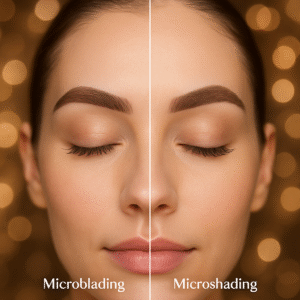
Who should choose what
-
Microblading: Ideal for normal to dry skin, clients with small gaps or sparse tails, and anyone who prefers a naturally feathered effect. Because strokes are distinct, very oily skin can blur lines faster.
-
Microshading: Suited to oily, combination, or sensitive skin, or for those who like a defined, makeup-like brow; the dotted technique typically holds better on active or humid lifestyles.
-
Combo brows: A blend of strokes at the front with shading through the body and tail for natural dimension plus staying power. This hybrid approach balances realism and durability.
Pain, session length, and downtime
Most people report mild discomfort thanks to topical numbing, with sessions typically lasting 2–3 hours including design and mapping. Initial color appears darker, then softens by 30–40% after the first 10–14 days, which is a normal part of the healing process.
Healing timeline
-
Days 1–3: Brows look bold and well-defined as pigment oxidizes; slight redness or tightness can occur.
-
Days 4–7: Light flaking or peeling begins—do not pick—which helps pigment settle evenly.
-
Weeks 3–6: Color settles, gaps (if any) become visible, and a perfecting touch-up is scheduled to refine shape and tone.
Aftercare essentials
-
Keep dry for the first 24 hours; then cleanse gently as instructed and apply a thin aftercare ointment if recommended. This prevents irritation and helps retention.
-
Avoid heavy sweating, steam, pools, and direct sun for 7–10 days to minimize fading and blur. In addition, skip skincare actives (retinoids, acids) around brows during healing.
-
Long term, apply sunscreen daily on brows to slow pigment fading, and avoid abrasive exfoliation over the area.
Longevity and maintenance
Results generally last 12–24 months depending on skin type, sun exposure, and skincare habits; oily skin types may notice faster softening. Annual or 18-month touch-ups help maintain crisp lines for microblading and a smooth gradient for microshading.
Choosing the right artist
-
Look for healed results, not just fresh photos, to judge color stability and stroke clarity over time. Additionally, ensure pigments and needles are sourced from reputable, hygienic suppliers.
-
Prioritize mapping and design: Proper symmetry and proportion are essential for brows that flatter face shape and photograph naturally.
-
Insist on hygiene: Single-use needles, barrier films, fresh gloves, and surface disinfection are non-negotiable for safe, predictable outcomes.
Common FAQs
-
Does it hurt? With numbing, most describe it as tolerable scratching or pressure rather than sharp pain. Sensitivity varies by individual.
-
Will brows look too dark? Initial intensity fades as they heal; the true color reveals after 3–4 weeks, followed by refinements at the touch-up.
-
Can it be corrected later? Shape can be adjusted at touch-ups; significant changes may require gradual correction or removal via saline or laser.
The bottom line
Microblading offers hair-like realism, while microshading delivers a softly powdered finish; the best choice rests on skin behavior, daily routine, and style preferences. If uncertain, a consultation can test designs, discuss expectations, and map an approach that delivers natural, long-lasting brows.